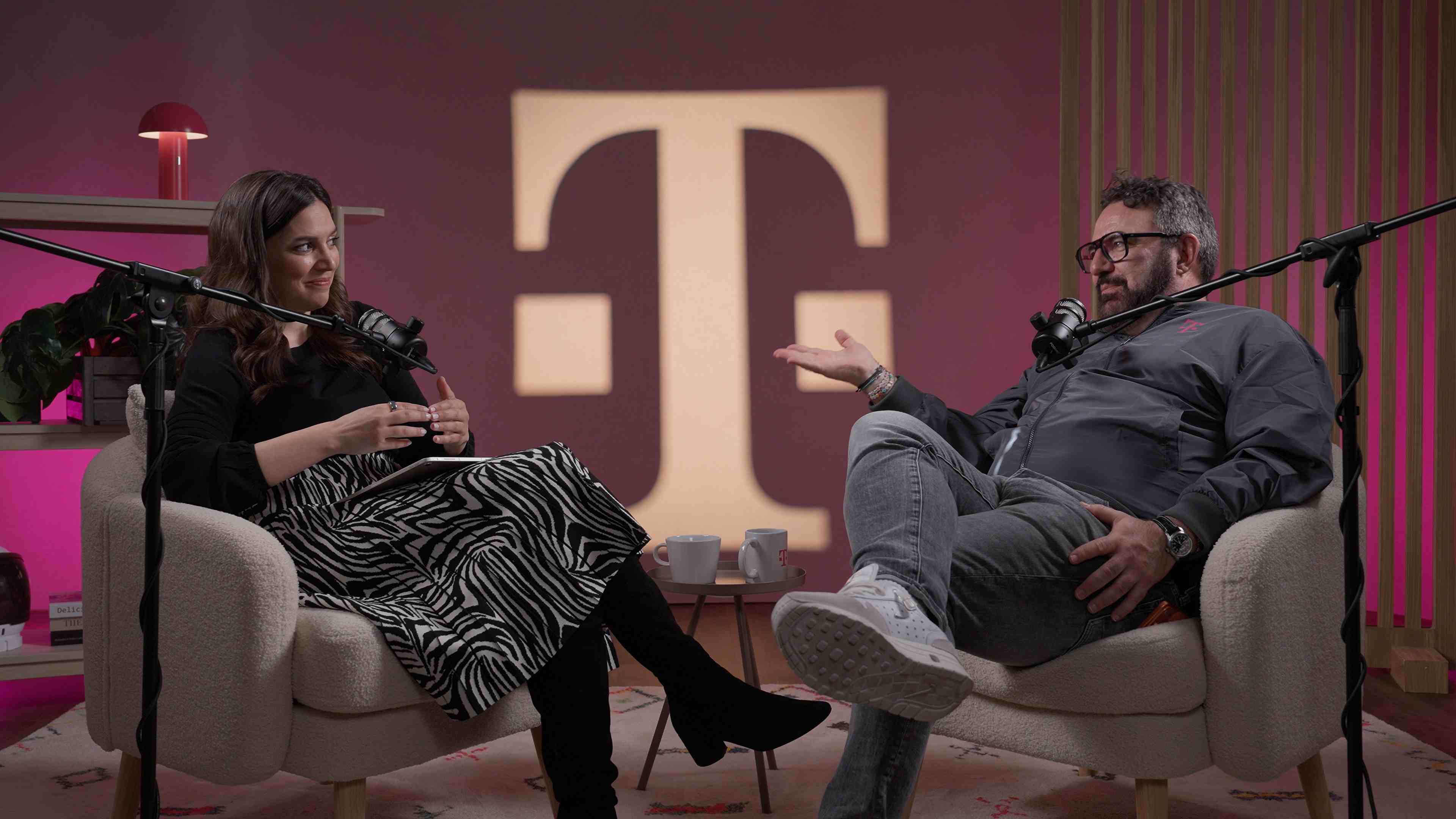
Growing Brand Equity for a Commodity
Inside the Deutsche Telekom Marketing Factory

About this episode
Connectivity is everywhere and it is all the same, which makes affinity the hardest thing in telco marketing to earn. Ulrich Klenke on defending and growing a €96.2 billion brand: why brand image and brand affinity are his two headline KPIs, how the company is outgrowing old-school telco into AI data centres, satellites, B2B and a 6G network he calls “an intelligent supercomputer you can reach anywhere”, the network campaign produced 100% with AI that nobody could tell from film, the licensed voice avatar behind the Einstein film, “Mia Magenta AI” as a third voice inside the network, why he could not run his 2024 anti-hate work in 2026, and the “group of lions hunting, not sheep feeding grass” model that lets ten European markets produce for each other.
Key themes
- 01
Brand equity for a commodity
When connectivity is “all the same,” affinity and creativity become the only real moats, and building affinity for a brand people rarely think about is the hardest job in marketing.
- 02
“Not Deutsche, not Telekom anymore”
How the company is growing beyond old-school telco into AI data centres, satellites, B2B and a 6G network Klenke describes as “an intelligent supercomputer you can reach anywhere.”
- 03
Never be mainstream
The diffusion-of-innovation logic behind speaking to innovators and the young first, and refusing “that exchangeable, boring advertising.”
- 04
Going fully AI-first
A network campaign produced 100% with AI that nobody could tell from film, the Einstein piece built on a licensed ElevenLabs voice avatar, and why sound and music, not visuals, are what make an AI campaign feel real.
- 05
The third voice in every call
“Mia Magenta AI,” the in-network brand representative (debuted at Mobile World Congress) that books, reminds and translates, and why it can't be gender-neutral.
- 06
Purpose isn't dead, it's different
Why he couldn't run his 2024 “against hate on the web” work in 2026, and a Habermas-inspired pivot from hate towards restoring dialogue.
- 07
How the factory runs
Ten European markets he “doesn't rule,” one global media contract but best-of-breed creative, “a group of lions hunting, not sheep feeding grass,” the shared “toolboxing” model, “bring me awards,” and “touch the brand.”
Links, books & references mentioned
- Jürgen Habermas — his work on dialogue and the public sphere, which Klenke turned to while rethinking the purpose strategy
- Everett Rogers, Diffusion of Innovations — the innovators / early adopters / majority / laggards curve behind “talk to the young first”
- Brand Finance — Deutsche Telekom ranked the world's most valuable telecoms brand ($96.2bn) and #11 in the Global 500
- ElevenLabs — the licensed voice avatar behind the Einstein film
- Perplexity — a close Deutsche Telekom partner he references (and used with his daughter)
- Black Forest Labs (FLUX) — the model inside Telekom's brand-safe image-creation machine
- Specifically from the episode
- 25:20 — Anti-hate campaign online
- 39:38 — AI-first, Einstein campaign (Curious Refuge AI Film Gallery)
- 42:12 — World Championship campaign
- 43:27 — “Better in the Best Network” campaign
- 47:40 — Mia Magenta AI avatar
- 1:12:19 — Country OS by REBORRN
Transcript
Dafni00:00
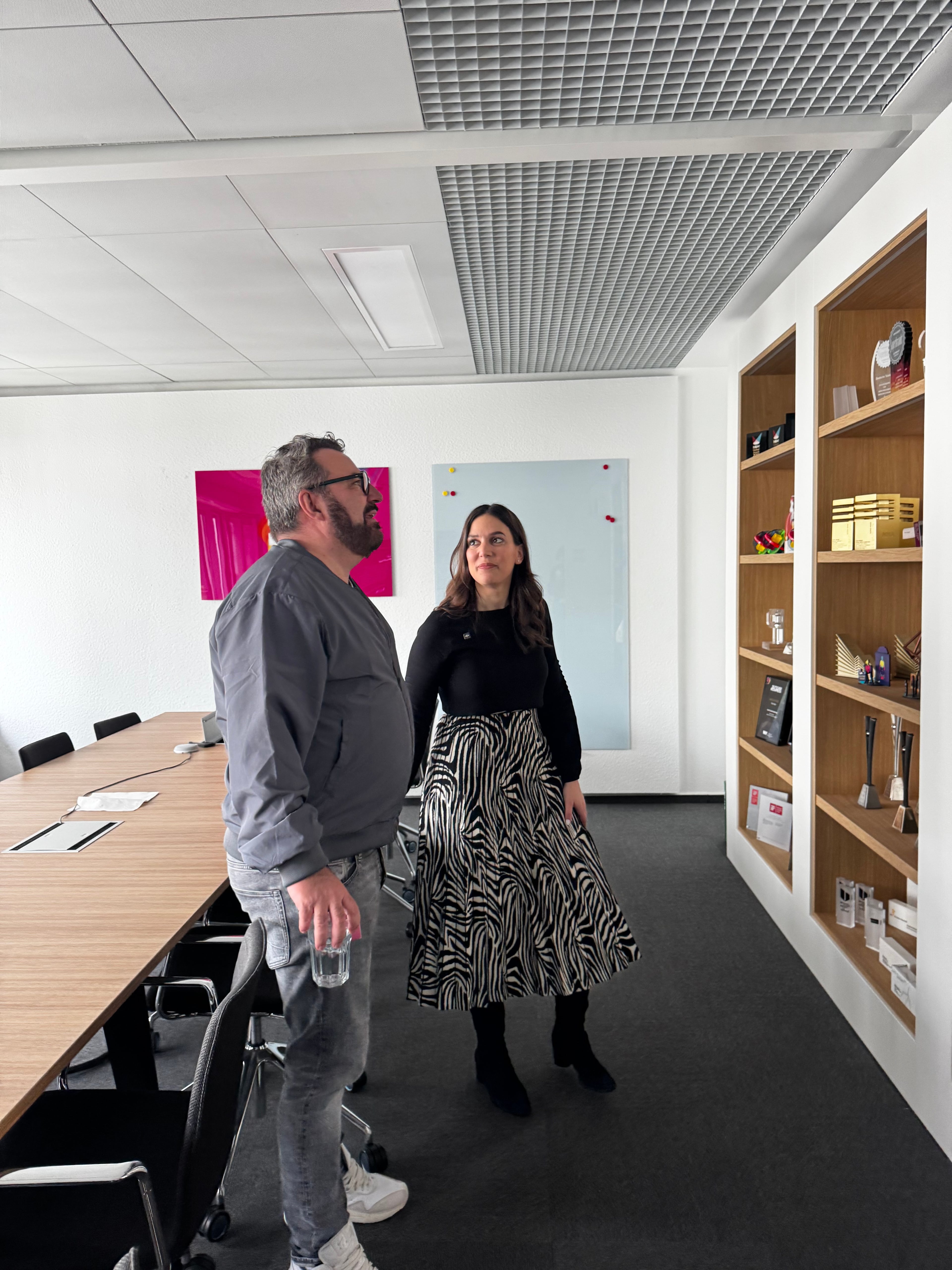
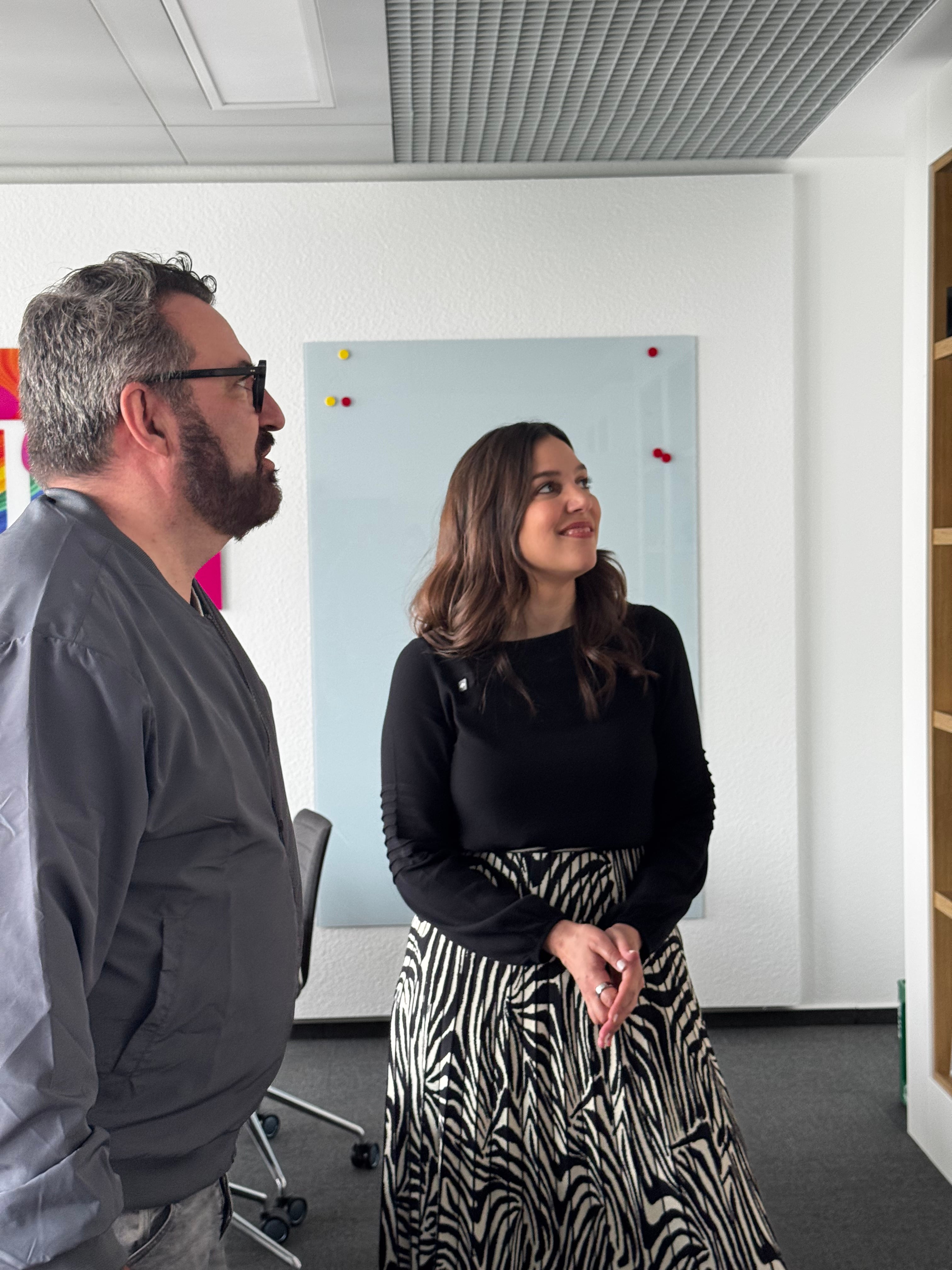
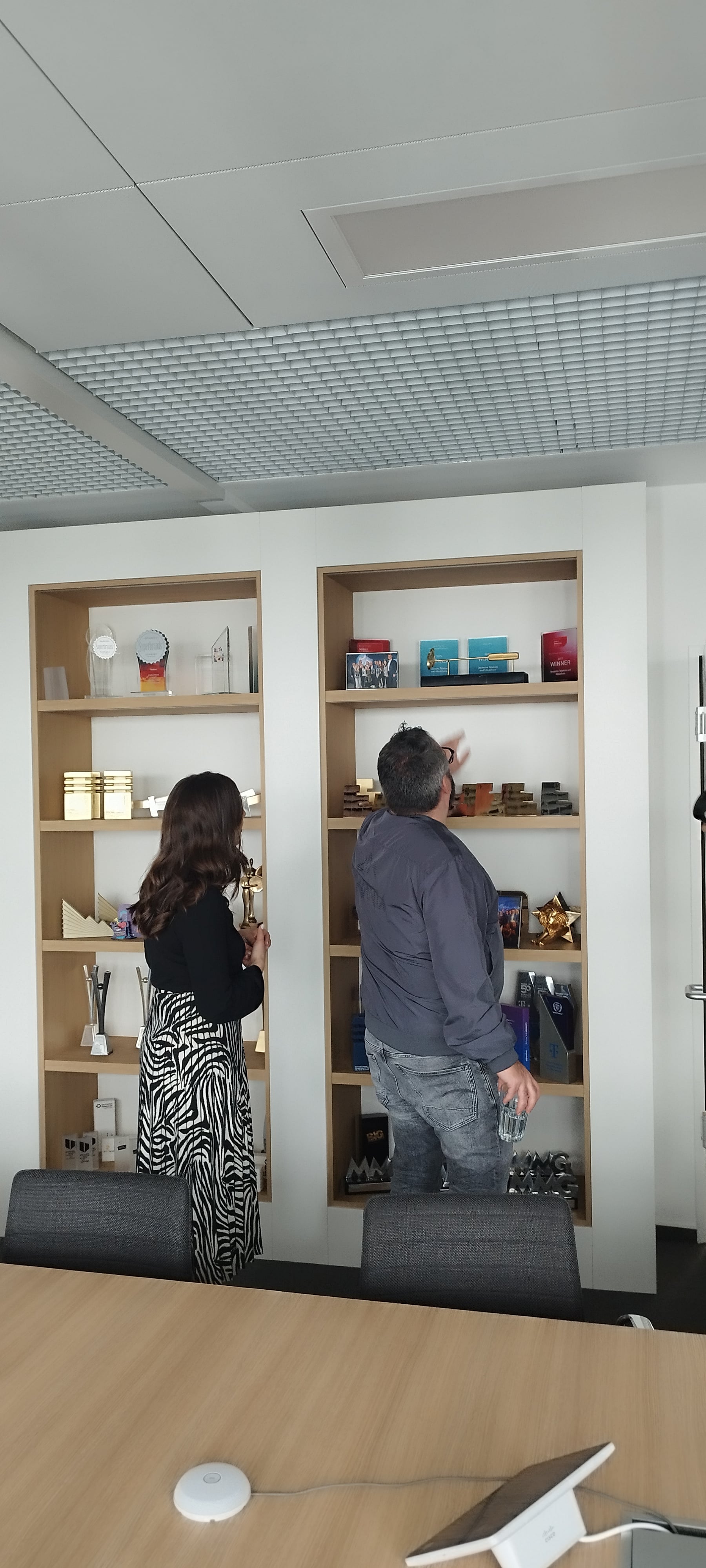
Great to see you, Uli. Thank you so much for having us here in the Deutsche Telekom marketing factory, and for giving me this amazing tour. I'm so excited for people to see everything you showed me around the building, the art and the importance of it.
Ulrich00:15
Welcome to Bonn. Thank you so much for having me.
Dafni00:19
I'm going to start with some titles. Chief Brand Officer, Deutsche Telekom. It's a $90 billion brand, and you don't realise that when you think about Deutsche Telekom or T-Mobile, just because of how commoditised the brand has become.
Ulrich00:46
$96.2 billion to be precise, according to Brand Finance.
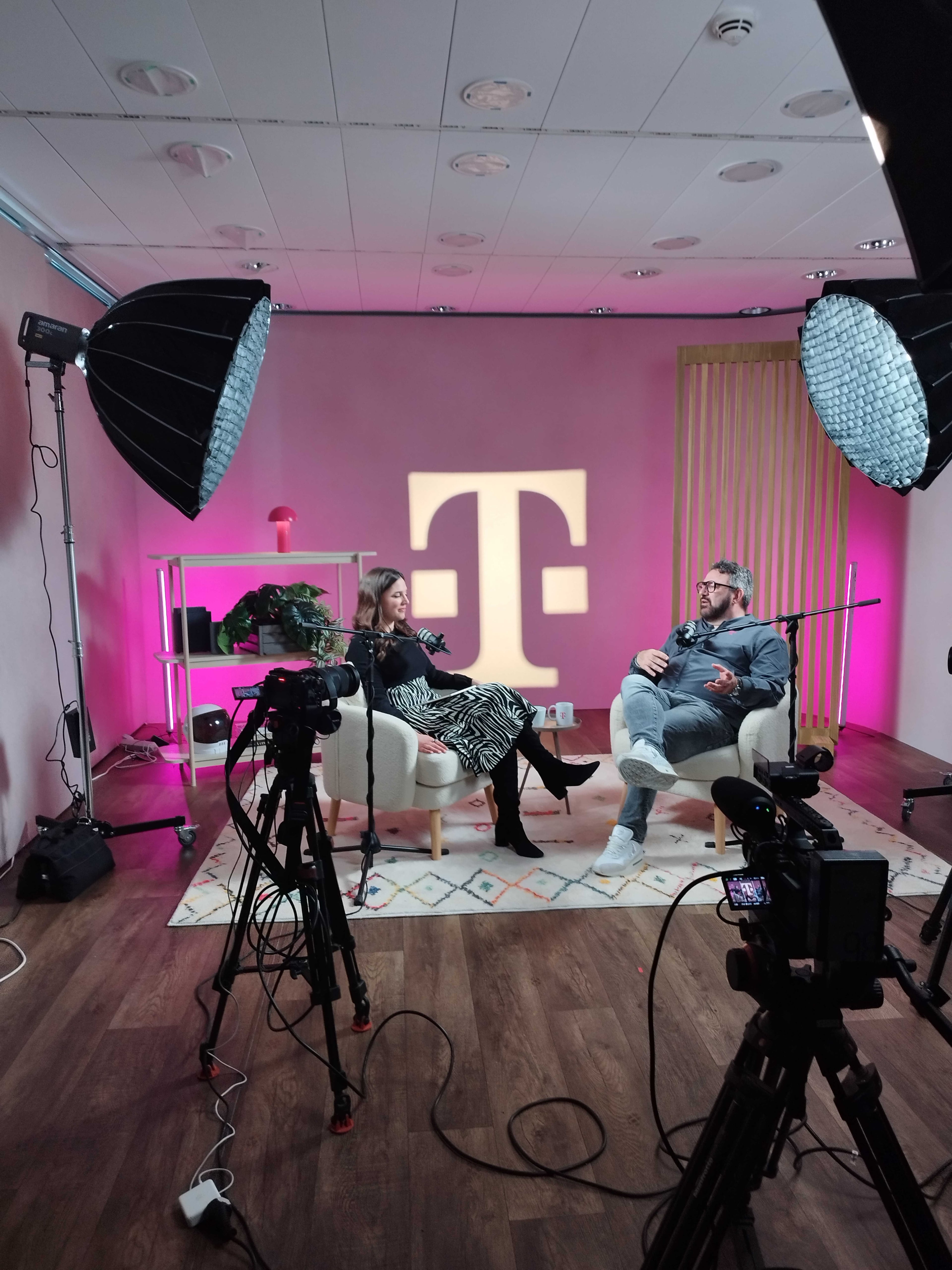
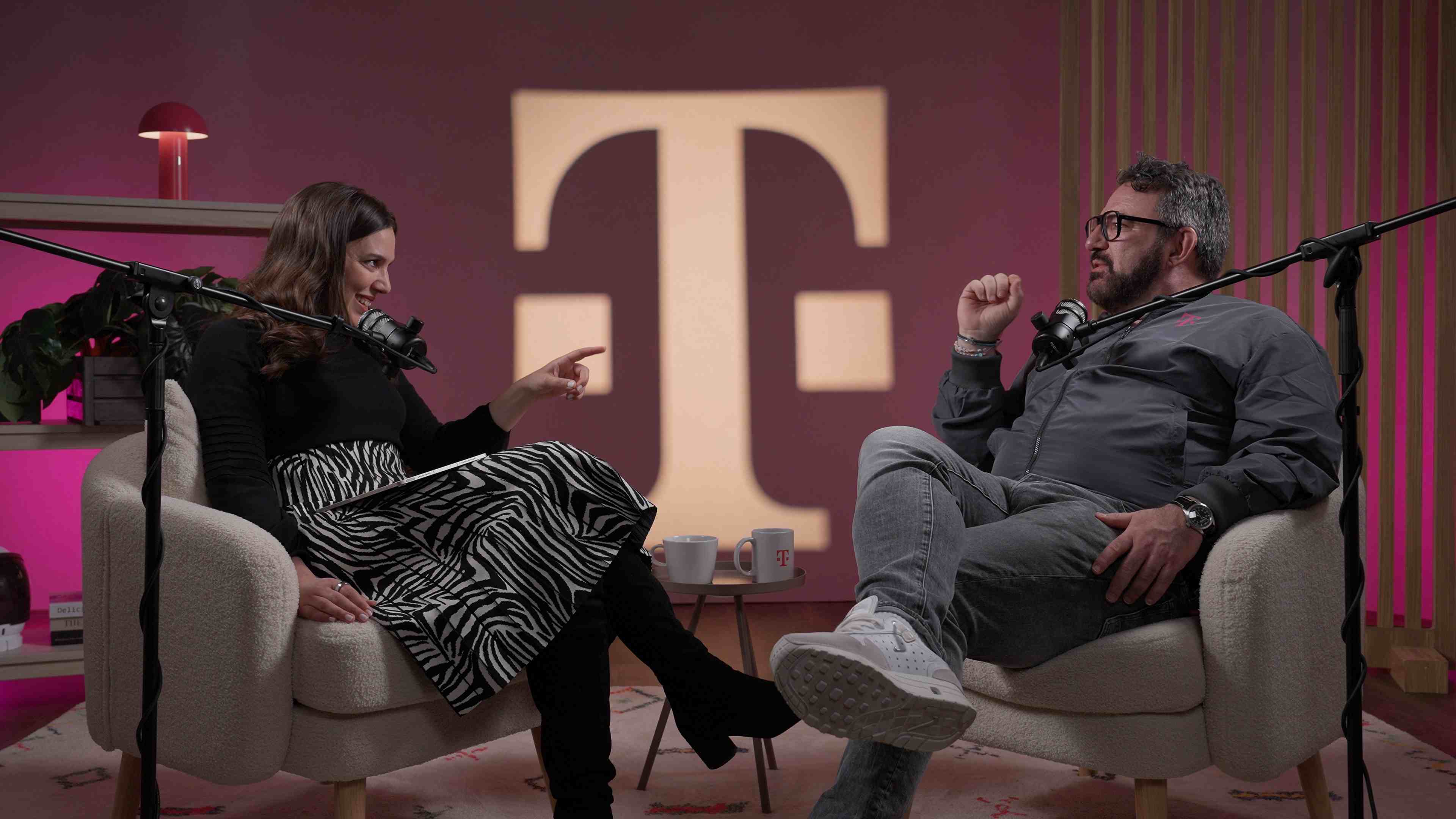
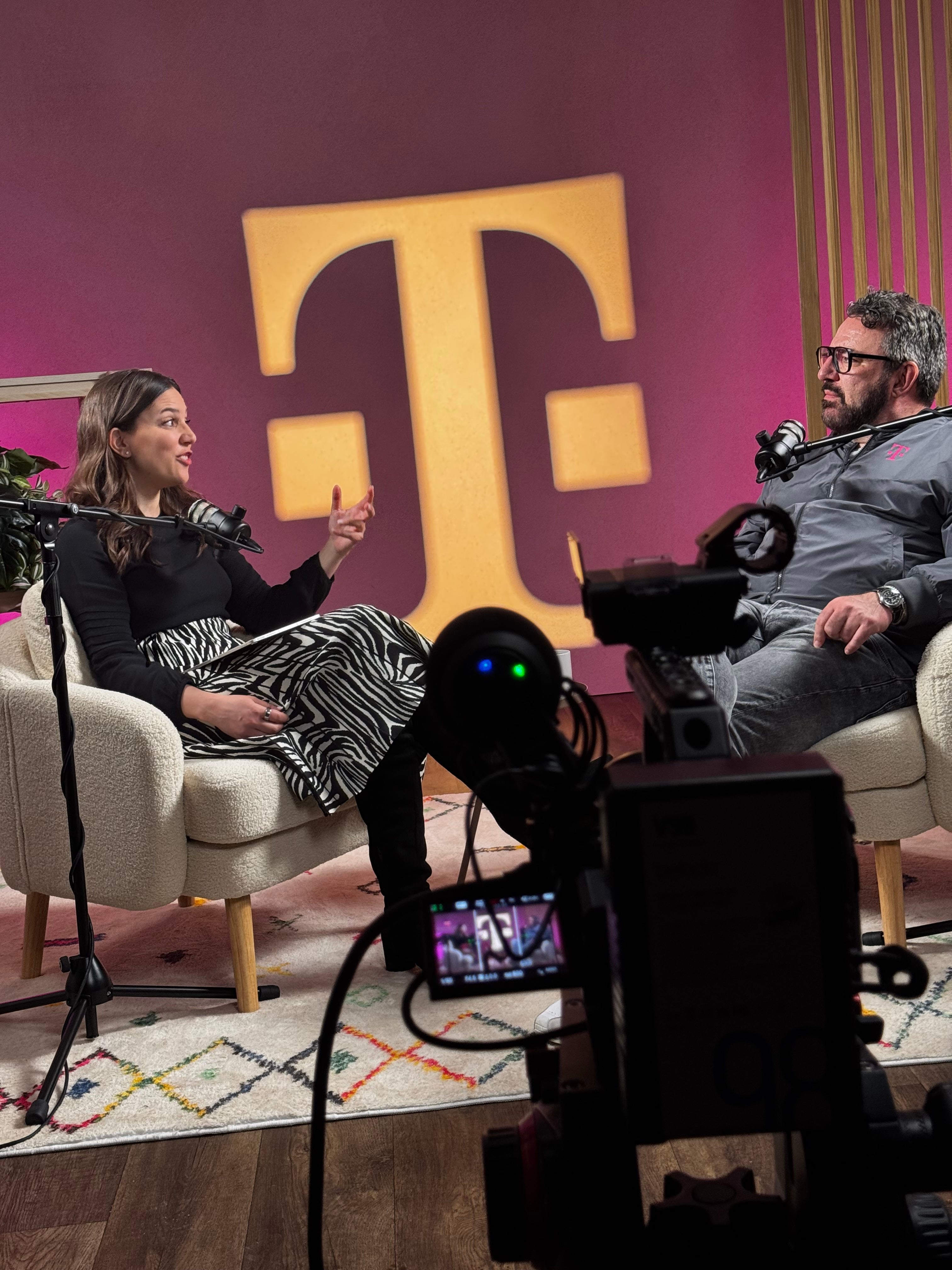
A look inside the Deutsche Telekom factory
Related links
Enjoying this episode?
If you find this episode interesting, follow us to receive all the upcoming episodes.
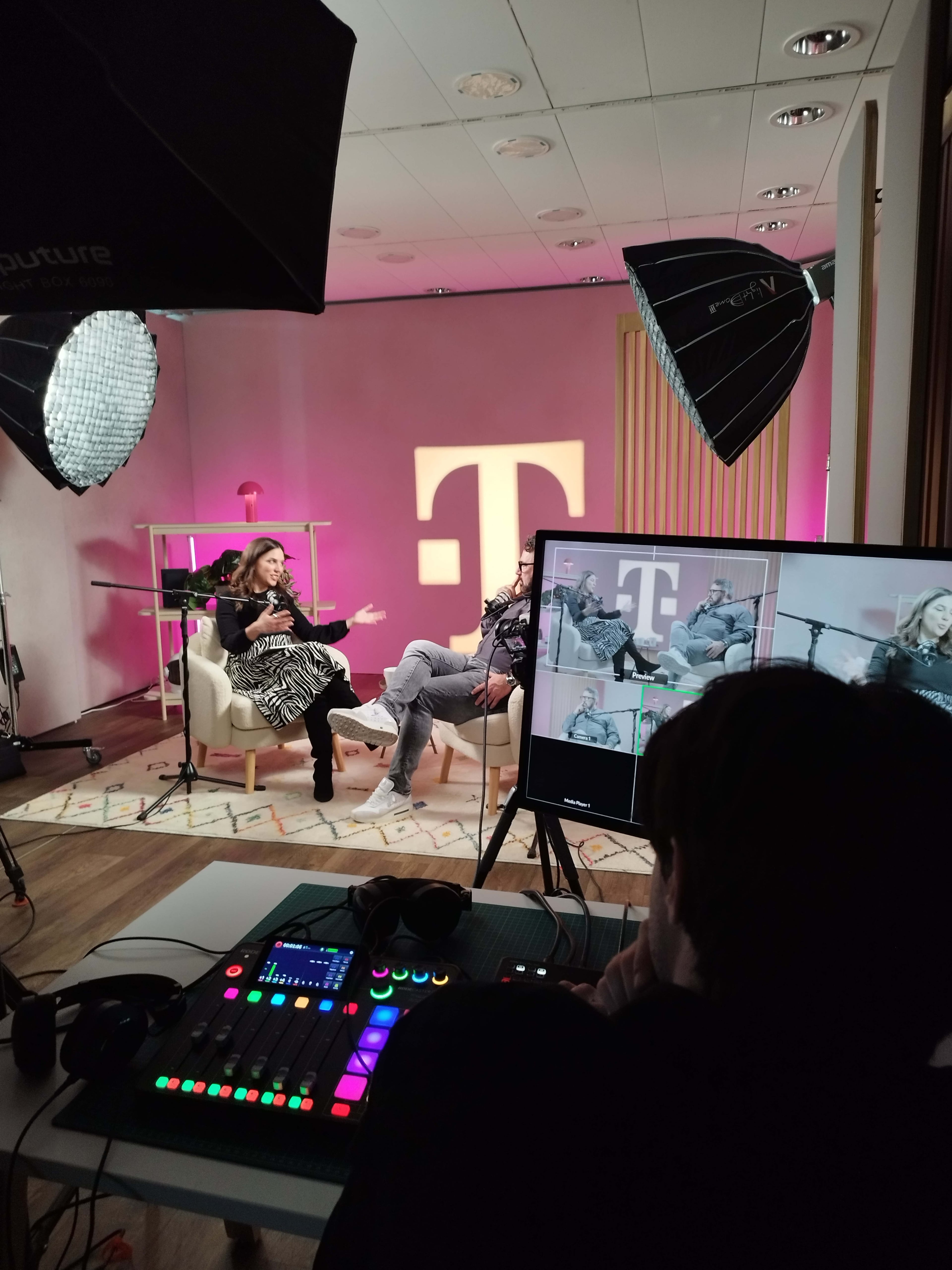
Behind-the-scenes.